Black History Month: Community and Church
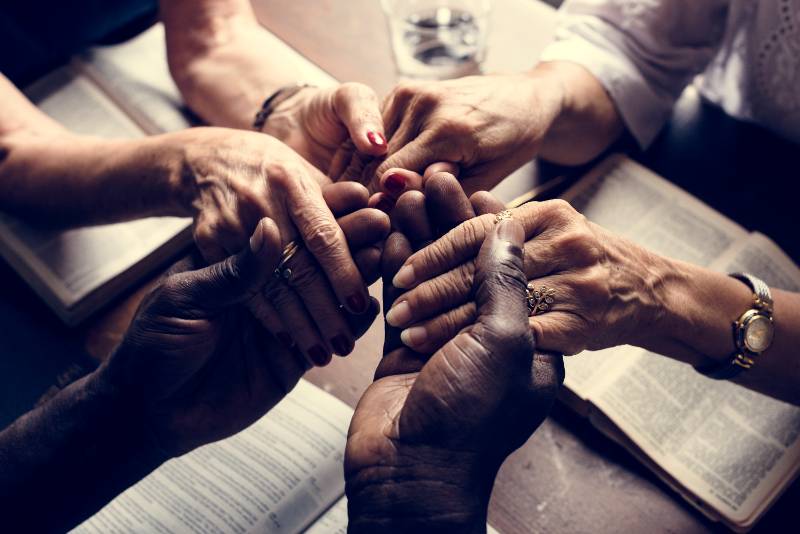
In the previous article "Why We Celebrate Black History Month", the tip of the iceberg was barely scraped. To fully honor history, it has to be considered from several angles. To do this, I sat down to interview Western professor of history Dr. Christopher Esing. One of the angles we discussed draws upon religion and how it shaped the community many Black Christians are a part of.
In speaking with Dr. Esing, Black churches find importance in organizing institutions for religious, social, and business purposes. While much of this is still found today, let’s dial back the clock to when it all started: the Antebellum Era following the Civil War from 1776 to 1861.
In the previous article, it was mentioned how Black history honors the backbone of America: freedom and rebellion. As enslaved people couldn’t oversee their own churches, white overseers were put in place instead. This included having large Bible segments cut out before being given out. This acted as a cherry-picking of scripture to coerce obedience and remove anything that was seen as problematic. The story of Moses, especially, was sanitized to negate the liberation of the Israelites from Egyptian slavery. As a Black figure, he was seen as the great liberator.
In turn, enslaved people encoded messages into their church songs. One line Dr. Esing references is, “Go down, Moses, go down to Egyptian land,” and its relation to the desperation for freedom. During service, a slave would hide and the congregation clapped, stomped, and sang, “I’ll fly away,” to signal this was their chance to run.
Over time, church swiftly became a place of safety and community. Black women turned to it for childcare and help with food, diapers, and more. Black businessmen found recognition and networking. Churches even offered subtle political protection as vigilante groups were less likely to lynch a minister or someone of standing.
While so often differences are focused on, Black history proves that without it, America wouldn’t be what it is today. Freedom was fought for by rebellion. Community was scrounged for in the face of adversity. Lessons we can learn from especially today.
Recommendations from Dr. Esing to learn more:
The Black Church: This is Our Story, This is Our Song - Henry Louis Gates (PBS)
The History of the Negro Church by Carter Godwin Woodson